
Travel Communication Revolution: The Rise of Satellite Communication
Category : | Sub Category : Posted on 2023-10-30 21:24:53
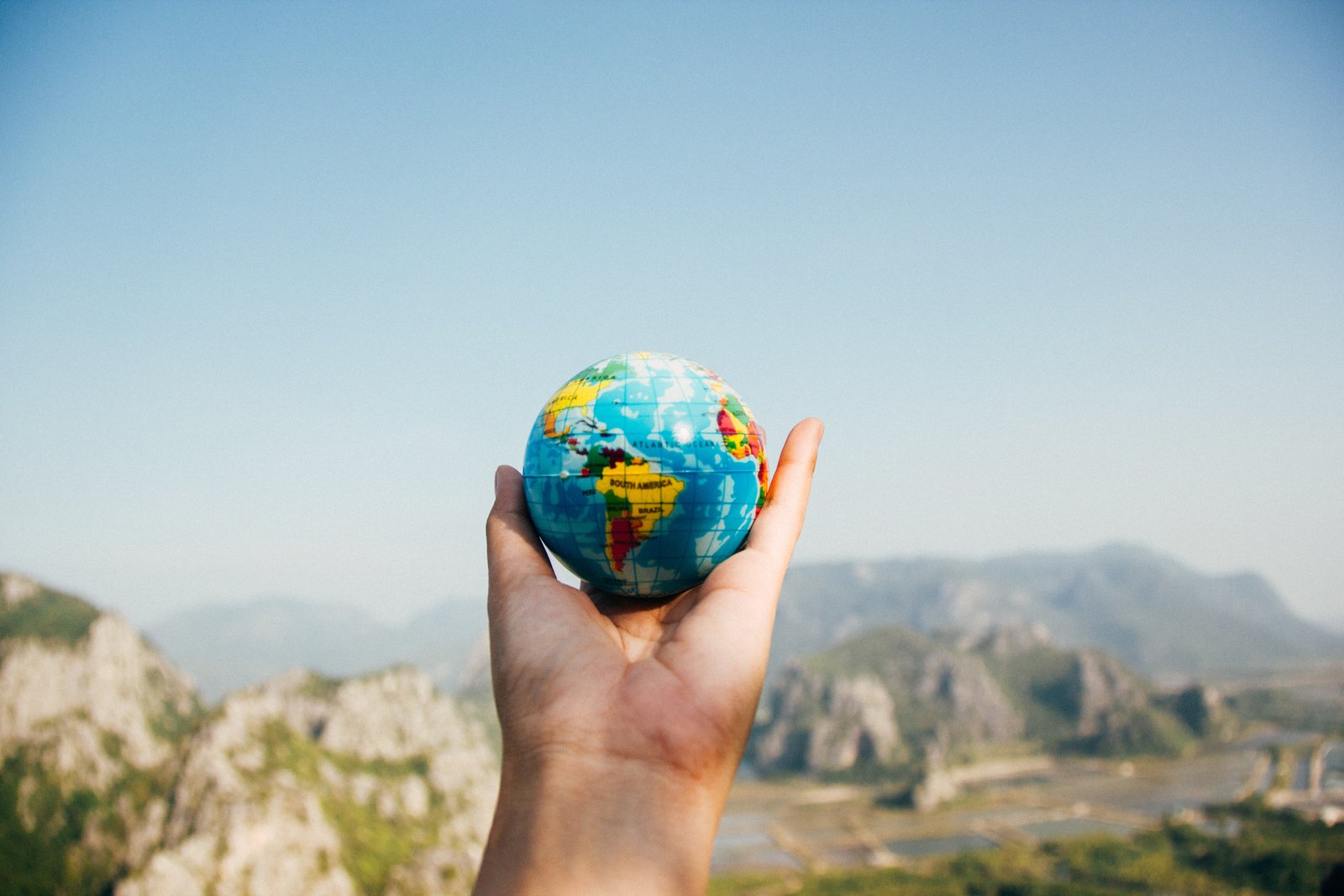
Introduction: In the modern age of travel, staying connected has become an essential part of our lives. Whether you're exploring remote destinations, venturing into uncharted territories, or simply embarking on a weekend getaway, having reliable communication can make all the difference. Enter satellite communication a technology that has revolutionized the way we connect while traveling. 1. What is Satellite Communication? Satellite communication involves the use of artificial satellites to transmit and receive signals for communication purposes. These satellites are positioned in geostationary orbit around the Earth, allowing for seamless communication across vast distances, including the most remote areas. 2. The Benefits of Satellite Communication for Travelers: a) Global Coverage: Unlike traditional communication methods that rely on cellphone towers or Wi-Fi hotspots, satellite communication provides global coverage. Travelers can stay connected even in areas where there is limited or no terrestrial infrastructure. b) Reliable and Stable Connection: Satellite communication offers a stable and uninterrupted connection, ensuring that you can send messages, make calls, and access the internet without interruptions. c) Emergency Situations: In case of emergencies, satellite communication systems can be a lifeline. Travelers can call for help, send distress signals, or access emergency services even in the most remote locations. d) Off-the-Grid Travel: For adventure enthusiasts who prefer off-the-grid destinations, satellite communication ensures that they remain connected with loved ones, share their experiences, and seek assistance if needed. 3. Satellite Communication Devices for Travelers: a) Satellite Phones: Satellite phones are handheld devices that allow travelers to make calls and send text messages via satellite networks. They are designed to withstand harsh conditions and work even in challenging environments. b) Satellite Internet: Travelers can access the internet in remote locations through satellite connectivity. Portable satellite internet devices provide high-speed data connections, enabling browsing, email, and video calls. c) Personal Locator Beacons (PLBs): PLBs are compact devices that use satellite communication to send distress signals in emergency situations. They can be a crucial tool for solo travelers, hikers, or adventurers exploring remote areas. 4. Costs and Considerations: While satellite communication has become more accessible, it can come with a higher price tag compared to traditional communication channels. Travelers should consider their specific needs, expected usage, and budget before investing in satellite communication devices or plans. Researching various providers and their coverage areas is key to ensuring optimal connectivity during your travels. Conclusion: Satellite communication has transformed the way we stay connected while traveling. From providing global coverage to ensuring a stable connection in remote areas, satellite technology has become a lifeline for modern explorers. Whether you're embarking on a solo expedition or a group adventure, equipping yourself with satellite communication devices can enhance your safety, peace of mind, and overall travel experience. So pack your bags, venture to the farthest corners of the world, and stay connected with satellite communication! Bon voyage! Seeking more information? The following has you covered. http://www.callnat.com For a comprehensive review, explore http://www.qqhbo.com To get a holistic view, consider http://www.travellersdb.com For more information: http://www.mimidate.com Want to expand your knowledge? Start with http://www.cotidiano.org
Leave a Comment:
SEARCH
Recent News
- Switzerland is widely known for its breathtaking landscapes, high standard of living, and efficient public transportation system. Zurich, the largest city in Switzerland, perfectly embodies these characteristics and offers visitors a unique blend of culture, history, and natural beauty. In this Tunisian travel guide to Zurich, we will explore some of the must-visit attractions, delicious cuisine to try, and practical tips for making the most of your trip.
- Zurich, Switzerland is a vibrant city known for its rich cultural scene and diverse music offerings. One unique aspect of Zurich's music scene is the presence of Sudanese music, which has found a home in the city's melting pot of cultures.
- Zurich, Switzerland: The Ideal Destination for Sport Periodization
- Zurich, Switzerland: A Hub for Sports Championships
READ MORE
1 year ago Category :

Exploring Zurich, Switzerland, Before Heading to France for the World Cup<br><br>
Read More →1 year ago Category :

Are you interested in combining travel and professional development opportunities? In this blog post, we'll explore how you can make the most of a trip to Zurich, Switzerland, while also enhancing your skills during your visit to France.<br><br>
Read More →1 year ago Category :

Are you dreaming of a European adventure that takes you from the bustling streets of Zurich, Switzerland to the romantic charm of France and the dynamic cityscape of Warsaw, Poland? Let's embark on a journey together and explore these enchanting destinations!<br><br>
Read More →1 year ago Category :

Are you considering a trip to Europe and trying to decide between Zurich, Switzerland, Vienna, Austria, and a visit to France? Look no further for your next travel destination ideas! Each of these cities offers a unique set of experiences that can make your trip to Europe truly unforgettable.<br><br>
Read More →8 months ago Category : borntoresist

Switzerland is widely known for its breathtaking landscapes, high standard of living, and efficient public transportation system. Zurich, the largest city in Switzerland, perfectly embodies these characteristics and offers visitors a unique blend of culture, history, and natural beauty. In this Tunisian travel guide to Zurich, we will explore some of the must-visit attractions, delicious cuisine to try, and practical tips for making the most of your trip.
Read More →8 months ago Category : borntoresist

Zurich, Switzerland is a vibrant city known for its rich cultural scene and diverse music offerings. One unique aspect of Zurich's music scene is the presence of Sudanese music, which has found a home in the city's melting pot of cultures.
Read More →8 months ago Category : borntoresist

Zurich, Switzerland: The Ideal Destination for Sport Periodization
Read More →8 months ago Category : borntoresist
